- Scently Speaking
- Posts
- 2026: A Perfume Bubble Year?
2026: A Perfume Bubble Year?

Sebastian Graf
March 19, 2026
Hello, Fragrant Friend 👋,
Last week we had another session with our ScentlySpeaking Evaluator Circle, sitting together with the perfumer to analyse the fragrance in depth. While we realised that we still need to go back into modification, something else clicked for me.
For the first time, the group articulated very clearly what they believe a New Niche fragrance should be. Contemporary. Potentially polarising. Courageous. With the chance of becoming a game changer. But still highly wearable. And never abstract.
I had never framed it like that myself. Does this sound like what you would expect from New Niche? Curious to hear your take.
If you want to follow these learnings more closely, I share them weekly at scentlyspeakinglab.com.
Now, onto this issue.
🗓️ Contents of this Issue
Note Worthy: Fake Luxury, Trade Fair Overload, Lost Patience
Niche Newcomers: Crème Ébène, Karmacoma, Vanilla Baby
Quiz: The name that almost became New Niche
Scent MythBusters: When perfume starts behaving like an asset
Note-Worthy 🔎🌸
#FakeLuxuryCrisis: The fragrance boom is bending under its own weight. Elevated Classics notes that while the 1990s saw a few hundred launches per year, the mid‑2020s have exploded into thousands. Festivals have multiplied, turning once‑quiet trade fairs into pop‑culture events. A thriving decant market reflects consumers’ desire for travel sizes, travel fragrances are forecast to grow from US$1.5 bn in 2023 to about US$2.3 bn by 2031. As AI and easy access to raw materials lower the barrier to entry, more people can call themselves perfumers. The upside is diversity; the downside is noise and imitation.
#TRADEFAIROVERLOAD: There are 43 perfume-related events scheduled for 2026. Paris Perfume Week, launched in 2024, drew over 4 000 visitors in its 2025 edition and hosted 60 exhibitors representing 50 brands. Art Niche Expo in Timisoara provided a rare Eastern European platform for independent brands and showcased strong enthusiasm among younger attendees. Meanwhile, mega-events like Esxence attracted 13 500 visitors and 400 brands from 38 countries.
#PatienceLost: In 2025 the industry launched about 6 000 new fragrances. Perfumes increasingly come from large houses working under competitive briefs and tight deadlines. Budgets leave perfumers with just a handful of inexpensive ingredients while most investment goes into packaging and marketing. Development timelines measured in weeks mean little room for risk or exploration. Consumer testing and benchmarking funnel creativity into safe, familiar accords. As one perfumer observes, 95 % of launches are minor tweaks of existing formulas.
Niche Newcomers 🎨 🌟
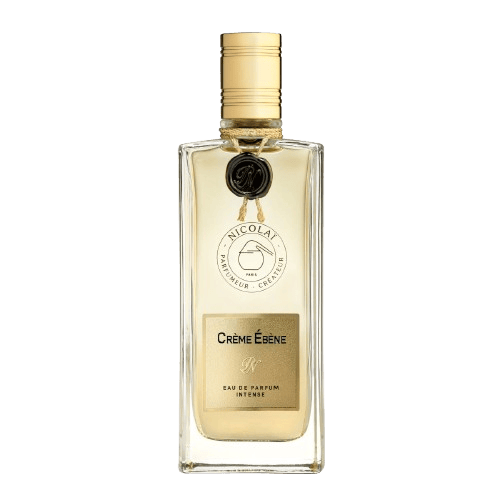 | Crème Ébène — Dark Woods, Soft LightCrème Ébène unfolds like polished wood warmed by skin. It opens with a subtle spice and a slightly smoky dryness that immediately feels composed rather than loud. Very quickly, the texture turns creamy, almost milky, but never sweet, more like sandalwood dust suspended in warm air. In the heart, woods become smoother and rounder, with a quiet balsamic depth that gives the scent its name. The dry down is intimate, soft and persistent, the kind of fragrance that feels less worn and more absorbed into the skin. Perfumer: Patricia de Nicolaï |
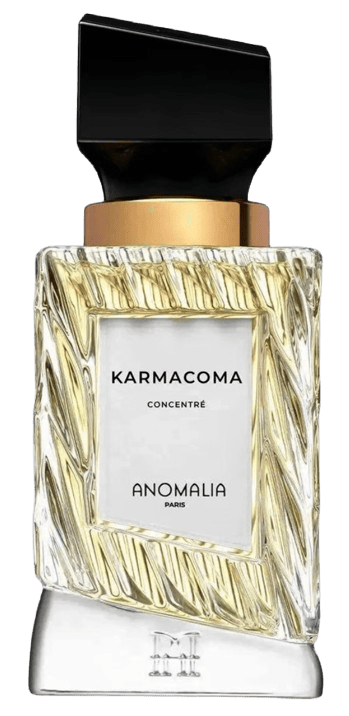 | Karmacoma — Vanilla as PhoenixAnomalia Paris describes Karmacoma as a rebirth on blank paper. Inspired by a sheet of white paper, it pairs Bourbon vanilla absolute with saffron‑inflected leather, powdery musk and a rare cedar fraction. The top notes evoke a clean slate, while the heart feels like leather‑bound parchment. In the dry‑down, Madagascar vanilla draped over soft leather creates a narcotic gourmand–leather hybrid. Reach for it on formal evenings when you want to feel both polished and unconventional. Perfumer: Sidonie Lancesseur |
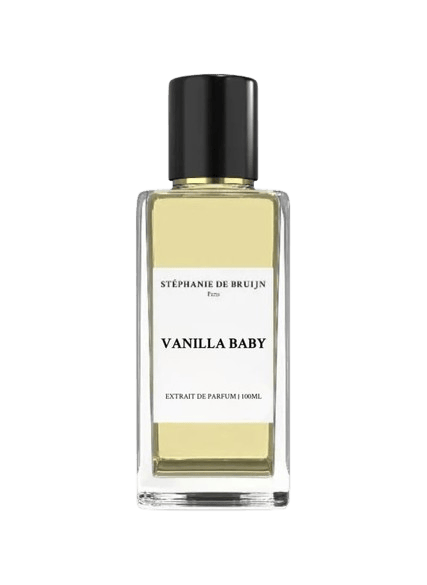 | Vanilla Baby — Innocence RevisitedStéphanie de Bruijn’s Vanilla Baby delivers a grown‑up comfort scent. It opens with the spicy bitterness of green cardamom and coffee wrapped in balsamic warmth. The heart blooms into a creamy milk accord with white flowers and sweet notes reminiscent of childhood treats. Its finish layers vanilla with cashmere wood, sandalwood and airy white musk, creating a cocoon of softness. It’s a hug in a bottle, perfect for rainy days or quiet mornings. Perfumer: Stéphanie de Bruijn. |
A brief disclosure.
Scently Speaking runs without ads and without paid placements.
It exists because New Niche exists.
New Niche is the fragrance publishing house we’re building in parallel.
Obtaining one of its perfumes is not merchandise.
It’s how this work stays independent.
Quiz 🎲
Which name did we almost choose instead of New Niche, only to drop it because a cosmetics brand already owned the trademark? |
Scent MythBusters 🎭️
Perfume is becoming an investable asset class.
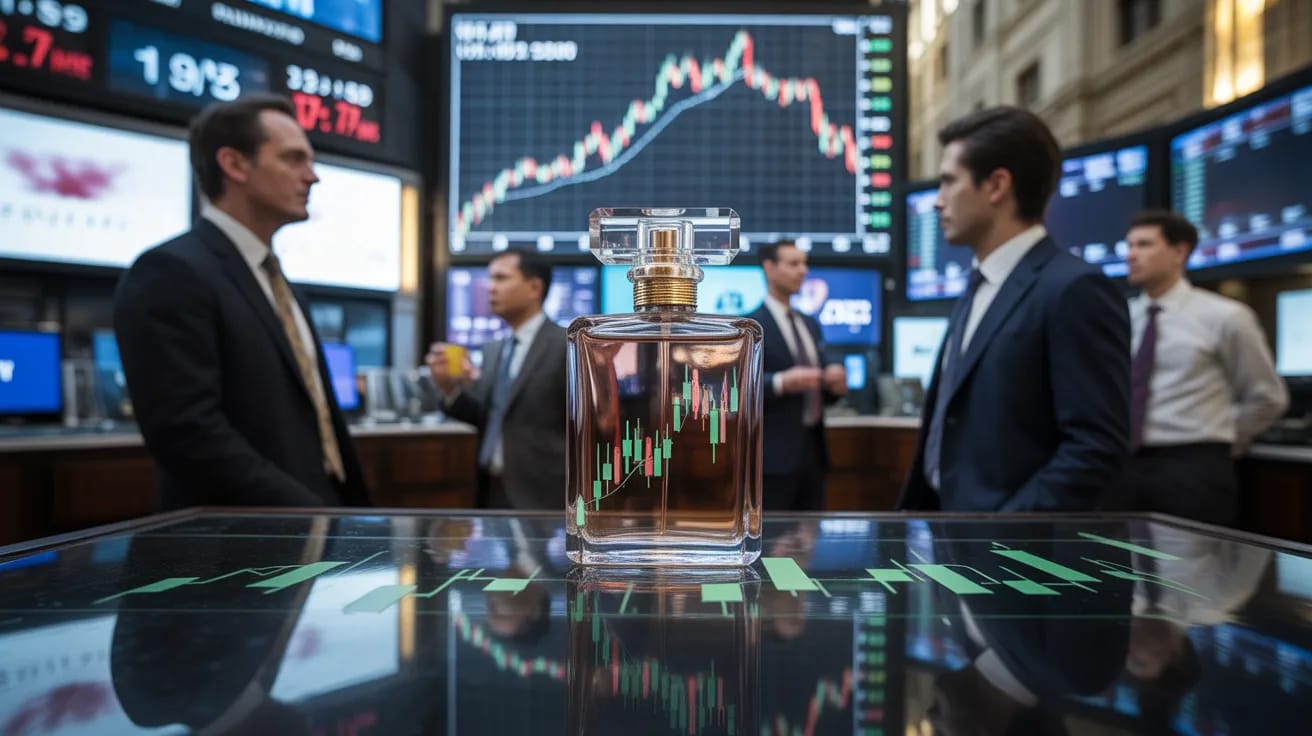
When a handful of collectors resell discontinued bottles at eye‑watering prices, it’s tempting to see perfume as the new wine. Vintage bottle auctions indeed fetch thousands of dollars – a 1934 Obelisk Egyptian Revival bottle sold for about $60 000 and a limited‑edition Dior figural bottle realised $66 000. There is, however, no price guide for perfume bottles, and they’re worth whatever someone is willing to pay on the day. This volatility indicates collecting rather than investing.
Fragrant Assets
A liquid that works against time
Perfume itself is a volatile liquid. Most compositions begin to change after opening, driven by oxidation and shifts in ingredient balance. Stored carefully, they can last, but they do not improve in the way wine does. Once opened, the trajectory is almost always decline rather than development. That alone challenges the idea of perfume as a store of value.
No market, no infrastructure
Collectors may pay high premiums for limited editions, but there is no organised exchange behind it. Transactions happen in forums, private groups or auction platforms, often without authentication or clear provenance. Unlike wine, there is no shared pricing index, no professional storage ecosystem and no standardised grading. Without infrastructure, there is no reliable market, only fragmented demand.
The consumption paradox
A fragrance is designed to be worn. Time dulls top notes, shifts balance and can eventually turn a composition sour. The more valuable a bottle becomes, the less it gets used, which contradicts its purpose. Add storage costs, uncertainty around conditions and the risk of spoilage, and the economics start to resemble a hobby rather than an investment thesis.
Final judgement
Perfume can absolutely be collectible, especially when scarcity, storytelling and design come together. But between perishability, the absence of a structured secondary market and unpredictable demand, it does not meet the criteria of an asset class. If anything, trying to treat it as one misses the point. Perfume is not meant to be stored away. It is meant to disappear on skin.
How did you like today's issue?Your feedback drives us & helps us improve 💌 |