- Scently Speaking
- Posts
- The Death of the "Middle Market" 😱
The Death of the "Middle Market" 😱

Sebastian Graf
April 09, 2026
Hello, Fragrant Friend 👋,
last week, I had the privilege of spending two hours with master perfumer Christophe Laudamiel in his lab, and I am still somewhat electrified by the intensity of that conversation.
Also, I came across a remark by Luca Turin: in the past, good perfumes often found their audience on their own, whereas today weaker scents are frequently carried by branding and constructed storytelling. It made me wonder whether this also reshapes the consumer over time, whether taste is still formed through exposure to quality or increasingly through signals and narratives.
If you’re curious, I’ll share more reflections on this in my weekly journal at scentlyspeakinglab.com.
Now onto this issue!
🗓️ Contents of this Issue
Note Worthy: The Death of the Middle Market, L’Oréal x Kering x Creed, Nathalie Feisthauer on Leaving IFF & Givaudan
Niche Newcomers: Fables d’Orient Extrait, Tobacco Memories, B683 Extrait
Quiz: Who Mastered Gourmand Perfumery?
Scent MythBusters: Why a “finished” formula is rarely finished
Note-Worthy 🔎🌸
We are facing delivery challenges if we include links (we are working hard on this, sorry!)
#TWOEXTREMES: A widely shared article argues that perfume is abandoning its safe middle. Strategist Olya Bar suggests the market now rewards either depth or daring. Heritage houses revisit complexity, modernising classics like Guerlain’s Shalimar with richer materials and sharper emotional focus, while concept brands treat fragrance as narrative, investing more in story and packaging than in the juice. The result: little room remains for “pleasant but forgettable”. Brands must choose between craftsmanship and escapism. The middle ground no longer sells. (Olya Bar on LinkedIn)
#HOUSEOFSCENTS: At the end of March, L’Oréal closed its €4 billion deal for Kering Beauté, acquiring the House of Creed. The move includes fifty-year fragrance licences for Bottega Veneta and Balenciaga, with Gucci to follow once Coty’s licence expires. CEO Nicolas Hieronimus frames it as a blend of Kering’s luxury codes and L’Oréal’s distribution power. For Creed, it marks a second ownership shift in three years: family-run until 2020, sold to Kering in 2023, now absorbed into L’Oréal. The question is how “boundless luxury” survives inside a system built for scale. (Grant Osborne on Basenotes)
#PERFUMERLENS: Perfumer Nathalie Feisthauer spent decades inside corporate perfumery before stepping away. After discovering scent through Yves Saint Laurent’s Opium, she trained in Grasse and built a thirty-year career at Givaudan and IFF. Over time, layers of marketing and decision-making pushed her to found LAB Scent in Montmartre. She describes perfumery as language: structure matters, but clarity often surpasses complexity. Today she follows emotional instinct over market logic, asking not “Will it sell?” but “Does it feel right on skin?”. Her path mirrors a wider shift toward independent, craft-driven perfumery as conglomerates expand. (Elevated Classics)
Niche Newcomers 🎨 🌟
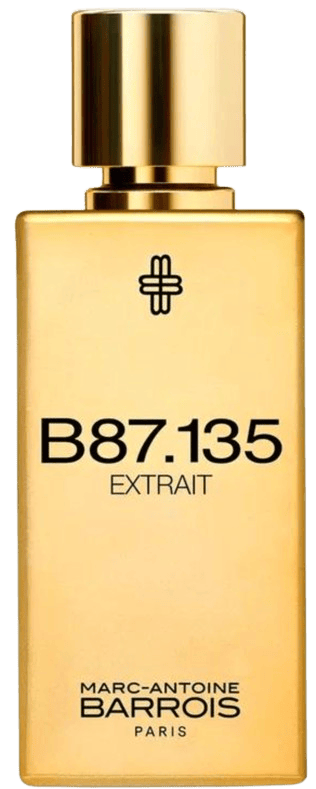 | B87.135 — Desert Rituals in London Marc‑Antoine Barrois’s latest extrait takes its name from Harrods’ address (87–135 Brompton Road) and imagines a scented bridge between Knightsbridge and distant dunes. Perfumer Quentin Bisch revisits the brand’s leathery signature with natural saffron, creamy iris butter and ambrette seed. Pink peppercorn lends sparkle, myrrh adds a mineral breath and tobacco facets deepen the leather. The result is a rich, opulent extrait (exclusive to Harrods) that evokes the splendour of Middle Eastern bazaars within a glossy green case. |
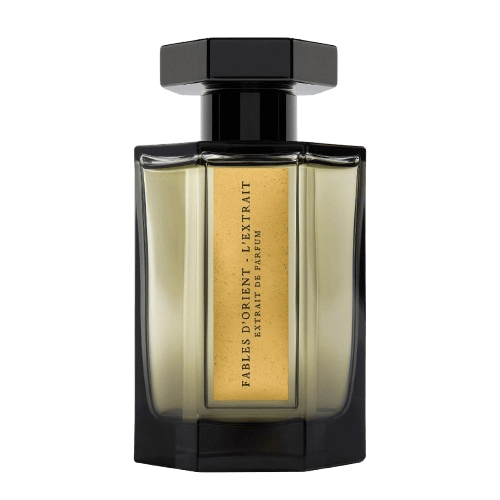 | Fables d’Orient L’Extrait — Myrrh Meets MilkL’Artisan Parfumeur’s Fables d’Orient debuted in 2021 as a “flower milk” eau de parfum built on heliotrope, nutmeg and creamy musk. The new extrait deepens the composition: Christophe Raynaud amplifies incense and amber, while bright aldehydes bring clarity. Frankincense, warm amber and aldehydes create a luminous yet enveloping oriental, with heliotrope adding sun-soaked softness and myrrh and nutmeg introducing peppery warmth. A limited edition in the Les Merveilles line, it leans into ritual with engraving and gift presentation. Perfumer: Christophe Raynaud |
 | Tobacco Memories — Smoke & Cherry NostalgiaChambre 52, founded by Nicolas Dewitte, frames hotel rooms as olfactory diaries. Tobacco Memories opens with saffron, powdery iris and ripe cherry, where soft suede meets juicy fruit like a faded photograph. The drydown unfolds into smoky tobacco absolute, incense, creamy vanilla and oakmoss. Composed by Domitille Michalon-Bertier, the structure balances bold contrast with intimacy. The result is a boozy, melancholic tobacco scent, like a warm evening with a glass in hand. Perfumer: Lauriane Guignon |
A brief disclosure.
Scently Speaking runs without ads and without paid placements.
It exists because New Niche exists.
New Niche is the fragrance publishing house we’re building in parallel.
Obtaining one of its perfumes is not merchandise.
It’s how this work stays independent.
Quiz 🎲
Which legendary perfumer is considered the master of gourmand perfumes? |
Scent MythBusters 🎭️
Once the formula is done, the final product is chosen.

Patience pays off
TL;DR
It’s tempting to think that a perfume emerges fully formed the moment a perfumer pens the formula. In reality, what you smell in a perfumer’s lab is a rough draft. Freshly blended oils often smell harsh or unbalanced because top notes dominate, natural materials haven’t mingled and the alcohol hasn’t dissolved the compounds. Many decisions, whether to tweak an accord, increase a dosage or even scrap the idea—happen only after the concentrate has rested.
What’s actually happening
The industry term for this resting period is maceration. During maceration, the concentrate is mixed with alcohol and left undisturbed in cool, dark vats. Over weeks or months, molecules of different sizes dissolve, react and “marry”. This process deepens notes, smooths rough edges and increases longevity and projection. Sophisticated chemical reactions (like esterification and oxidation) even create new scent molecules, transforming the perfume’s character. Once maceration is complete, the liquid is chilled and filtered before bottling.
The time required depends on the formula. Citrus and light floral blends may integrate within a few weeks, while woody, resinous or oriental perfumes benefit from six to eight weeks or longer. Some artisanal houses age heavy compositions for two to three months or more. Frédéric Malle has stated that classic perfumes used to be macerated for four to eight weeks; his Portrait of a Lady rests for two weeks and macerates for four before bottling, because without sufficient aging the scent lacks power and stability. According to a perfumery blog, proper aging can improve longevity and projection by 20–40%.
Even after bottling, subtle maturation continues. Stored in a cool, dark place, perfumes may soften and deepen as volatile components evaporate and base notes bloom. Conversely, exposure to heat or light can degrade them. Some natural attars such as oud or sandalwood improve over decades.
Discussion
Because maceration takes time and money, many mass‑market companies have shortened or eliminated it since the 1980s. Bottles can reach counters within two weeks, leading consumers to judge a scent before it has settled. Niche houses, by contrast, often invest weeks or months in maceration, which partly explains the richer, longer‑lasting quality of artisanal perfume. When sampling a fragrance, ask when the batch was made and whether it has rested. If you test from a lab vial, remember that the final product will smell fuller and smoother after maceration. Perfumers often return to the formula after a few weeks to decide if adjustments are needed, because the first draft can be misleading.
Final judgement
The biggest misconception about perfume production is that the formula equals the final fragrance. In truth, maceration and maturation are integral to the creative process. Like wine in a barrel, a perfume needs time to harmonise. The next time you spray a new release, consider the invisible weeks or months it spent aging. Only then does a scent reveal its true character. And only then should we judge it!
How did you like today's issue?Your feedback drives us & helps us improve 💌 |