- Scently Speaking
- Posts
- Will this mean a Perfume Monopoly 😲?
Will this mean a Perfume Monopoly 😲?

Sebastian Graf
March 26, 2026
Hello, Fragrant Friend 👋,
I’m celebrating the first 100 readers of my weekly journal on building a fragrance publishing house. Lately, I’ve been reflecting on why the term “luxury” is so often tied to perfume. Is it because fragrance isn’t considered a necessity, and therefore automatically seen as indulgent? Or is it more about how niche perfumery has positioned itself as a marker of distinction and exclusivity?
Honestly, I hate the term. Watching 12-year-old jasmine pickers in Egypt — just one glimpse of the harsh realities behind the industry — has made it feel hollow, even hypocritical. Luxury, at what cost?
If you like to check-in more with me on that topic: Please subscribe to www.scentlyspeakinglab.com
Now onto this issue!
🗓️ Contents of this Issue
Note Worthy: Sandalwood’s Shadow Economy, Beauty’s Corporate Chessboard, The Art of Scent Diffusion
Niche Newcomers: Debaser in Bloom, Spring 26, Yuma
Quiz: Fig trend?
Scent MythBusters: The Myth of Regional Fragrance Preferences
Note-Worthy 🔎🌸
#BEAUTYCHESSBOARD: The beauty world is in flux. Puig’s acquisition of Byredo and Estée Lauder’s purchase of Tom Ford signal a consolidation of power among conglomerates. But what does this mean for creativity? While these moves bring financial muscle and global reach, they also risk homogenising brands even further. Yet, some argue that corporate backing can amplify artistry, providing resources for innovation. The challenge lies in balance: preserving the soul of a brand while scaling its presence.
#SCENTDIFFUSION: Les Parfumables, a French company specialising in scent diffusion, is redefining how we experience fragrance. Their work transforms spaces into olfactory landscapes, from luxury hotels to retail environments. Unlike personal perfumes, these scents are designed to linger in the air, creating moods rather than memories. The technology behind diffusion — microencapsulation, cold diffusion — ensures precision and longevity. It’s a reminder that fragrance isn’t just worn; it’s lived.
#SAN-DAL-WOOD: Indian sandalwood, once a cornerstone of perfumery, now exists in a precarious balance between reverence and exploitation. Smuggling networks thrive as demand outpaces legal supply, with the wood’s creamy, sacred aroma fetching astronomical prices. The scarcity has driven innovation: synthetic sandalwood molecules like Javanol and Ebanol now mimic its warmth, while Australian plantations attempt to fill the gap. Yet, the allure of the original persists, tied to its cultural and spiritual significance.
Niche Newcomers 🎨 🌟
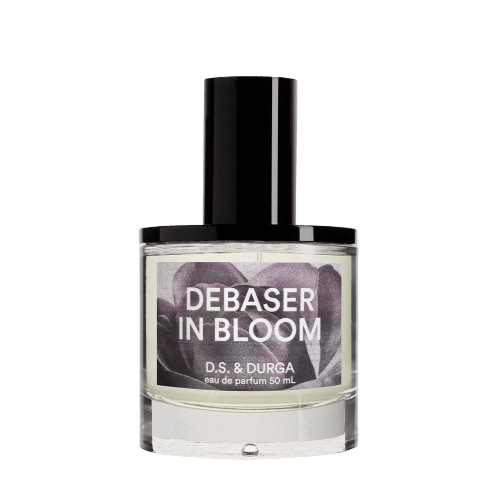 | Debaser in Bloom — A Pastoral RefrainD.S. & Durga revisits their cult classic Debaser with a springtime twist. The composition opens with fig leaf and green almond, evoking the tender bitterness of new growth. Iris and narcissus add a floral haze, softening the edges without losing the green clarity. The base of coconut milk and tonka bean feels like sunlight filtered through leaves — warm, creamy, yet never heavy. It’s a pastoral daydream, both familiar and fleeting. Perfumer: David Seth Moltz |
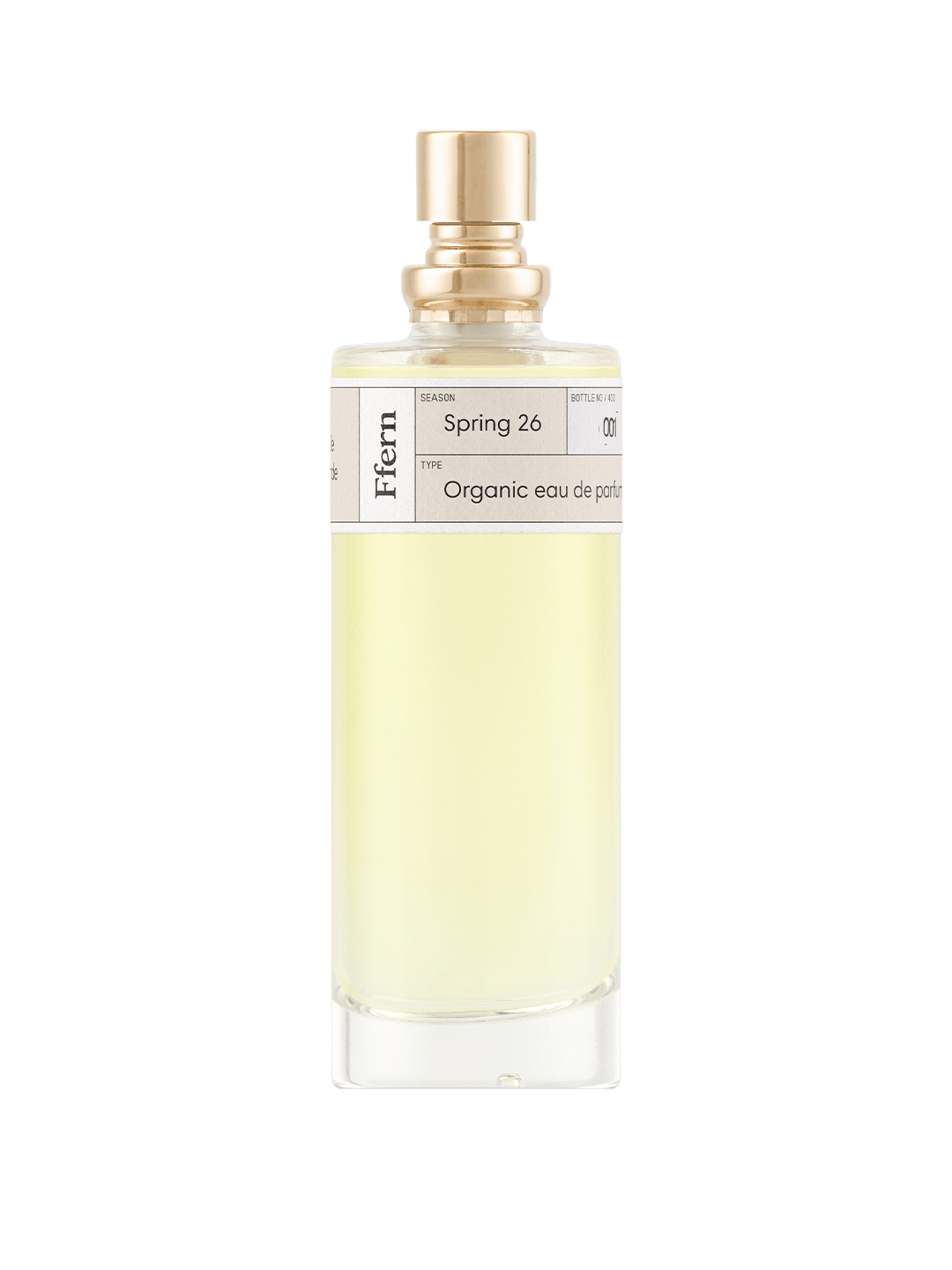 | Spring 26 — A Seasonal SymphonyFfern’s Spring 26 captures the fleeting beauty of the season. Bergamot and petitgrain provide a citrusy brightness, while elderflower and hawthorn evoke the delicate sweetness of spring blossoms. A base of vetiver and oakmoss anchors the composition, adding an earthy depth that balances the airy florals. The result is a fragrance that feels both grounded and ephemeral, like the season itself. Perfumer: Elodie Durande |
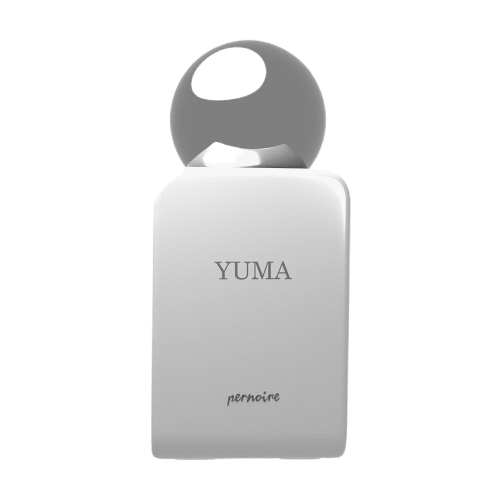 | Yuma — Desert BloomPérnoire’s Yuma is a study in contrasts. The fragrance opens with the dry heat of saffron and pink pepper, tempered by the cool sweetness of cactus flower. Jasmine and tuberose add a lush, almost tropical heart, while a base of amber and cedar evokes the warmth of sunbaked wood. It’s a desert in bloom — stark, vibrant, and alive with tension. Perfumer: Andreas Wilhelm |
A brief disclosure.
Scently Speaking runs without ads and without paid placements.
It exists because New Niche exists.
New Niche is the fragrance publishing house we’re building in parallel.
Obtaining one of its perfumes is not merchandise.
It’s how this work stays independent.
Quiz 🎲
Which of these fig directions does not align with the current trend? |
Scent MythBusters 🎭️
There are hardly any new natural ingredients left in perfumery.

A romantic notion of a pandan discoverer
TL;DR
The idea that perfumery has already mapped the natural world is quietly accepted. Jasmine, rose, patchouli, vetiver — the classics are industrialised, the staples refined. What feels “new” today often comes from the lab: (captive) molecules designed for precision, safety, or cost. This view isn’t entirely wrong. But it’s incomplete.
Misconception
If “new” means a never-before-identified molecule, then yes, true breakthroughs are rare. But perfumery doesn’t only move forward through invention. It moves forward through access. Through extraction methods, sourcing, and which materials are considered relevant in the first place.
For decades, the industry has relied on a narrow palette of naturals. Not because the world lacks plants, but because only certain materials scaled globally, fit Western taste structures, and could be standardised. Everything else stayed local.
What’s actually happening
The frontier of naturals hasn’t disappeared; it’s shifted. Smaller producers and extraction labs are introducing region-specific botanicals that have always existed but were never translated into perfumery.
Think pandan, with its rice-like sweetness, or pomelo flower, a brighter, more diffusive cousin to neroli. Lotus, often a fantasy accord, is now being sourced as a real material tied to ritual and place.
Companies like LOSIAM in Thailand are working with culturally embedded plants like chalood bark (soft spice, almond powder) or fresh pandan, while linking their work to biodiversity conservation. Larger suppliers like Biolandes and dsm-firmenich still depend on local ecosystems, from Madagascan vanilla to Indian jasmine. The difference isn’t that these materials suddenly exist. It’s that they’re finally being seen.
Final judgement
The idea that there are no new natural ingredients left is only true if “new” is defined chemically. But perfumery’s future lies elsewhere. It lies in rediscovering overlooked botanicals, in treating local smell cultures as perfumery-worthy, and in expanding what the industry considers visible.
How did you like today's issue?Your feedback drives us & helps us improve 💌 |